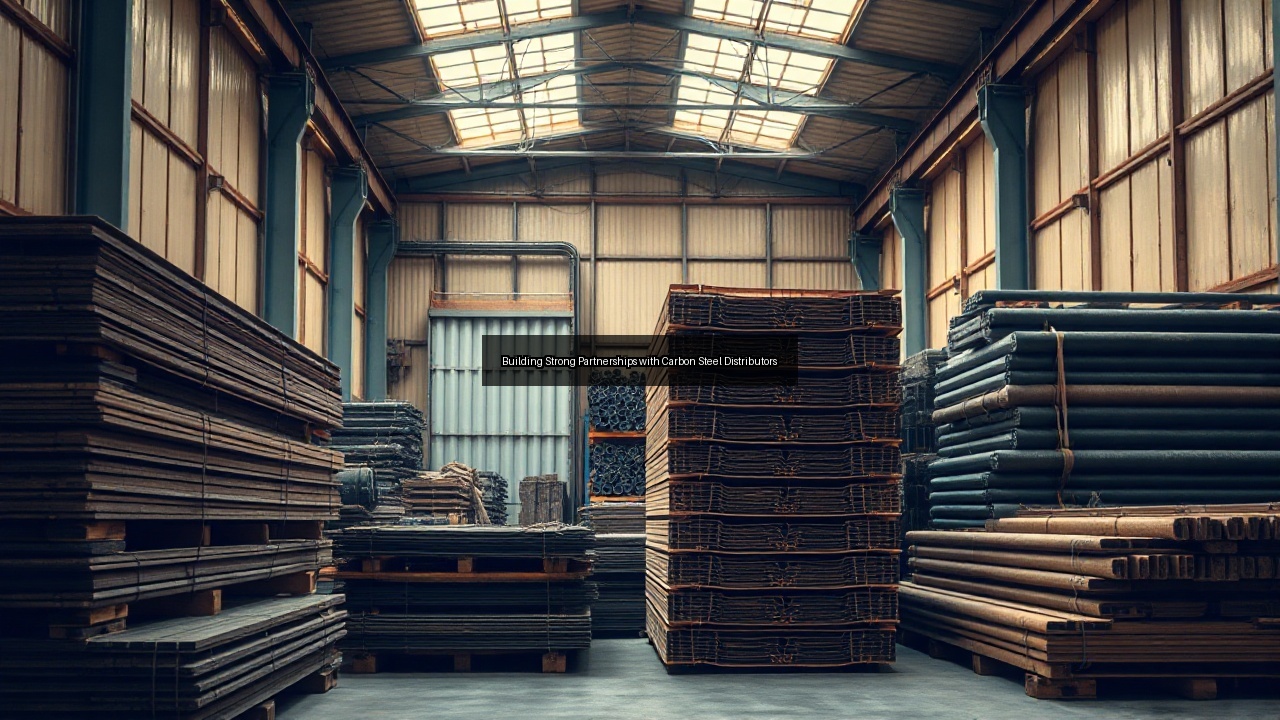
Building Strong Partnerships with Carbon Steel Distributors
Understanding Carbon Steel and Its Importance
What is Carbon Steel?
Carbon steel is a key material in the manufacturing and construction industries, known for its versatility and strength. It contains varying amounts of carbon, which significantly influences its properties. Unlike stainless steel, which includes chromium for corrosion resistance, carbon steel relies solely on carbon content to achieve its desired characteristics. The production process of carbon steel involves melting iron and adding carbon in specified amounts. This process creates a durable metal that is essential for a wide range of applications, from construction to automotive manufacturing. Understanding the unique properties of carbon steel helps industries select the right materials for their projects, making it a crucial element in the world of metals.
Types of Carbon Steel: Low, Medium, and High Carbon
Carbon steel is categorized into three main types: low carbon steel, medium carbon steel, and high carbon steel. Low carbon steel typically contains less than 0.3% carbon, making it malleable and easy to weld. It finds common applications in automotive panels and structural components. Medium carbon steel, with carbon content between 0.3% and 0.6%, strikes a balance between strength and ductility. This type is often used in machinery and heavy-duty applications. High carbon steel, containing over 0.6% carbon, offers superior hardness and strength, making it ideal for cutting tools and wear-resistant applications. Each type serves a distinct purpose, and understanding these differences allows businesses to choose the appropriate carbon steel distributor for their specific needs.
The Role of Carbon in Steel Production
Carbon plays a pivotal role in steel production, influencing the metal's hardness, strength, and ductility. The higher the carbon content, the stronger the steel becomes, but this comes at the cost of malleability. In low carbon steel, the minimal carbon content allows for easy shaping and forming, essential for applications requiring flexibility. Conversely, high carbon steel's increased hardness makes it suitable for demanding environments. The balance of carbon in steel determines its performance in various applications. Understanding this balance equips manufacturers and builders with the knowledge to select the right carbon steel products distributor to meet their operational needs.
Finding the Right Carbon Steel Distributor
Key Qualities to Look for in a Distributor
Selecting the right carbon steel distributor is crucial for ensuring a steady supply of quality materials. Look for distributors with a strong reputation in the industry, as this often reflects their reliability and service quality. A good distributor should offer a wide range of carbon steel products, including various grades and forms, such as sheets, plates, and pipes. Additionally, they should have knowledgeable staff who can provide technical support and advice tailored to your specific needs. Evaluate their logistics capabilities as well; a distributor with efficient delivery systems ensures timely access to materials, minimizing project delays. Lastly, consider their commitment to sustainability and ethical sourcing practices, which can significantly impact your company's environmental footprint.
How to Evaluate Carbon Steel Suppliers
When evaluating carbon steel suppliers, conduct thorough research to gather information on their offerings and performance. Start by checking their certifications and compliance with industry standards. Quality assurance processes indicate a commitment to delivering reliable products. Review customer testimonials and case studies to understand how the supplier has performed in real-world scenarios. Consider their inventory management practices; suppliers with robust inventory systems can better meet fluctuating demand. Additionally, assess their pricing structures to ensure competitiveness without sacrificing quality. Engaging in direct communication with potential suppliers can reveal their willingness to collaborate and provide customized solutions, which is essential for building long-lasting partnerships.
Questions to Ask Your Carbon Steel Distributor
Asking the right questions can help establish a strong relationship with your carbon steel distributor. Start by inquiring about their product range, including the types of carbon steel available and the grades they specialize in. Understanding their sourcing practices is also vital; ask where they obtain their materials and whether they adhere to quality standards. Discuss their lead times and delivery capabilities to ensure they align with your project schedules. Furthermore, inquire about their technical support services—do they offer assistance with material selection and application guidance? Finally, address pricing and payment terms to avoid misunderstandings down the line. These questions will facilitate clear communication and help you forge a strong partnership with your distributor.
Building Strong Partnerships with Your Distributor
Communicating Your Needs Effectively
Effective communication is the cornerstone of a successful partnership with your carbon steel distributor. Clearly articulate your requirements, including specifications such as material grades, dimensions, and quantities. Establishing open lines of communication fosters transparency, allowing both parties to address potential issues proactively. Regular check-ins can help you stay updated on inventory levels and lead times, ensuring your projects remain on schedule. Utilize various communication channels, including phone calls, emails, and meetings, to maintain a consistent dialogue. Encourage feedback from your distributor regarding your orders and processes, as this collaborative approach can lead to improved service and product offerings tailored to your needs.
Collaborating on Custom Steel Solutions
Collaboration with your carbon steel distributor can yield innovative, custom solutions that align with your specific project requirements. Engage in discussions about your unique challenges and specifications, allowing the Distributor of carbon steel distributor to leverage their expertise to propose tailored solutions. For instance, if you require a specific alloy or treatment for your carbon steel, a knowledgeable distributor can help you navigate the options available. This partnership not only enhances the quality of materials but also fosters a sense of teamwork, strengthening the overall business relationship. Joint efforts in research and development can lead to new offerings that benefit both parties, ultimately driving mutual growth.
Benefits of Long-term Relationships in Steel Distribution
Establishing long-term relationships with carbon steel distributors provides numerous advantages. Consistency in supply becomes a significant benefit, as trusted distributors prioritize your needs, ensuring you receive high-quality materials on time. Long-term partnerships often lead to better pricing structures and exclusive deals, enhancing your cost efficiency. Additionally, a firm understanding of your preferences allows distributors to provide personalized service, anticipating your needs and streamlining the purchasing process. Such relationships foster trust, enabling both parties to work collaboratively toward shared goals. Ultimately, investing in a long-term partnership not only stabilizes your supply chain but also contributes to the overall success of your projects.
Applications of Carbon Steel in Various Industries
Carbon Steel in Construction and Infrastructure
Carbon steel plays a vital role in construction and infrastructure projects due to its durability and strength. Engineers and architects often choose carbon steel for structural components, such as beams, columns, and reinforcements, because it can withstand heavy loads and resist deformation. Low carbon steel is particularly favored for its weldability and formability, making it an excellent choice for constructing buildings, bridges, and other critical infrastructure. Additionally, medium carbon steel's balance of strength and ductility allows for versatile applications in both residential and commercial constructions. By leveraging carbon steel's properties, construction professionals can create structures that are not only robust but also cost-effective.
Transportation Applications of Carbon Steel
In the transportation sector, carbon steel is indispensable due to its strength and versatility. It is commonly used in the manufacturing of vehicles, including cars, trucks, and buses, as well as rail systems and ships. Low carbon steel's ductility allows for easy fabrication into complex shapes, essential for automotive bodies and frames. Medium carbon steel is often used for components requiring higher strength, such as axles and gears. The ability to withstand stress and impact makes carbon steel a preferred choice in the transportation industry, ensuring safety and reliability. As demands for lightweight and fuel-efficient designs grow, carbon steel remains a fundamental material that meets these evolving challenges.
Welded Steel Pipe and Its Uses in Industry
Welded steel pipes, often made from carbon steel, find extensive applications across various industries, including oil and gas, construction, and manufacturing. These pipes offer excellent strength, durability, and resistance to corrosion, making them suitable for transporting fluids and gases under high pressure. Carbon steel's weldability allows for the creation of strong, seamless joints, enhancing the overall integrity of piping systems. In construction, welded steel pipes serve as structural elements, while in the oil and gas sector, they transport crude oil, natural gas, and other resources. The versatility of welded steel pipe ensures its continued relevance across industries, making it essential for infrastructure and industrial applications.
See Also
- Top Considerations When Sourcing from Carbon Steel Suppliers
- Comparing Carbon Steel to Other Metals: Insights from Distributors
- The Significance of Medium Carbon Steel in Industrial Applications
- Key Questions to Ask Your Carbon Steel Distributor
- Understanding the Different Types of Carbon Steel Available from Distributors